
Touchless vs. Traditional Park Washrooms: What Changes Operationally?
A touchless washroom is not just a nice-to-have feature. For park teams and facility operators, it is a game-changer that can have a huge impact on day-to-day operations. Including cleaning routines, user behaviour, consumable planning, and how you respond to common issues.
If you’re comparing smart washrooms to a more traditional park washroom building, here’s what actually changes operationally so you can plan staffing and service realistically.
What touchless typically includes
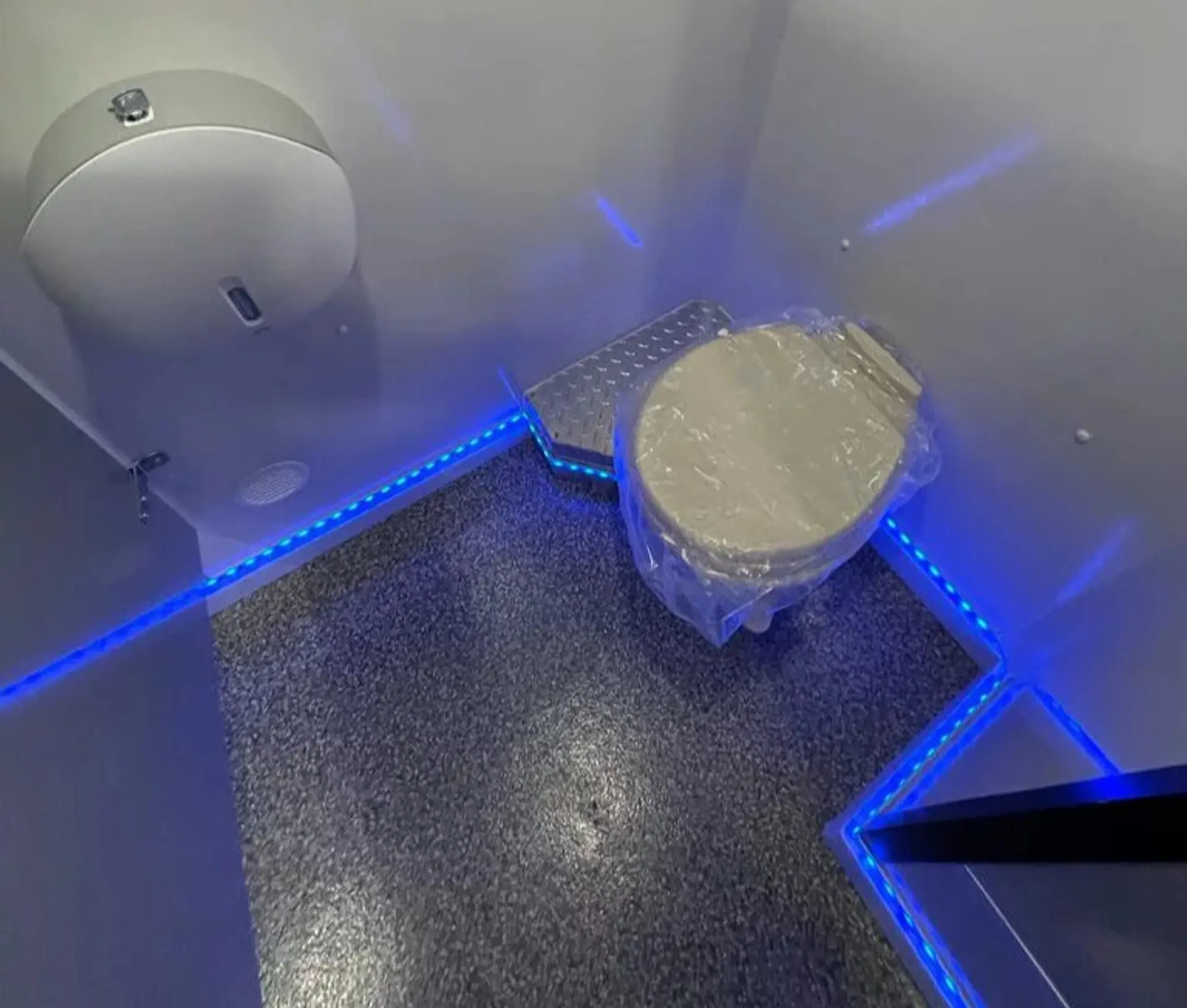
Touchless washroom features usually aim to reduce hand contact and improve hygiene consistency. Depending on the unit and configuration, touchless can include:
- Hands-free faucets and soap dispensers
- Automatic flush/valve control
- Hands-free hand dryers or towel dispensers
- Sensor-based lighting
- Automated door hardware (in some configurations)
What changes for municipal and parks operations
1. Cleaning shifts from constant wipe-down to targeted checks
Touchless technology reduces the need for high-touch surfaces, which can lower the frequency of certain wipe-down tasks, but it doesn’t eliminate the need for cleaning.
You still need to schedule routine cleaning for floors, fixtures, mirrors, and waste. Also, you will need a plan for peak-season spikes.
2. Consumables become more predictable (but still need tracking)
Touchless systems can make usage patterns more consistent, but you still need to plan:
- Soap and paper/towel supply levels
- Waste removal cadence
- Seasonal demand changes (campgrounds and trailheads can swing fast)
3. User behaviour changes (especially in high-traffic sites)
- In busy public environments, touchless features can reduce misuse related to unclear controls. For example, people repeatedly pressing buttons or leaving taps running
- Clear signage still matters
- Accessibility considerations still matter (reach ranges, activation zones)
4. Maintenance becomes more about sensors and settings
Traditional washrooms often fail in obvious ways (broken handles, jammed valves). Touchless systems can introduce:
- Sensor calibration needs
- Battery/power checks (depending on configuration)
- Occasional troubleshooting of activation zones
5. Uptime planning improves when you treat it like an asset
For municipalities and operators, the operational win is uptime:
- Fewer closures
- Fewer emergency callouts,
- A consistent user experience.
- Set an inspection cadence (daily/weekly/seasonal)
- Track repeat issues (where, when, why)
What doesn’t change (important)
Touchless doesn’t remove:
- Vandalism risk (you still need vandal-resistant washroom planning)
- The need for regular cleaning
- The need for winter readiness planning in BC and Alberta.
Best-fit locations for touchless washrooms
- Parks with steady daily use
- Trailheads with weekend spikes
- Campgrounds with seasonal surges
- Recreation centres with mixed users
Procurement note
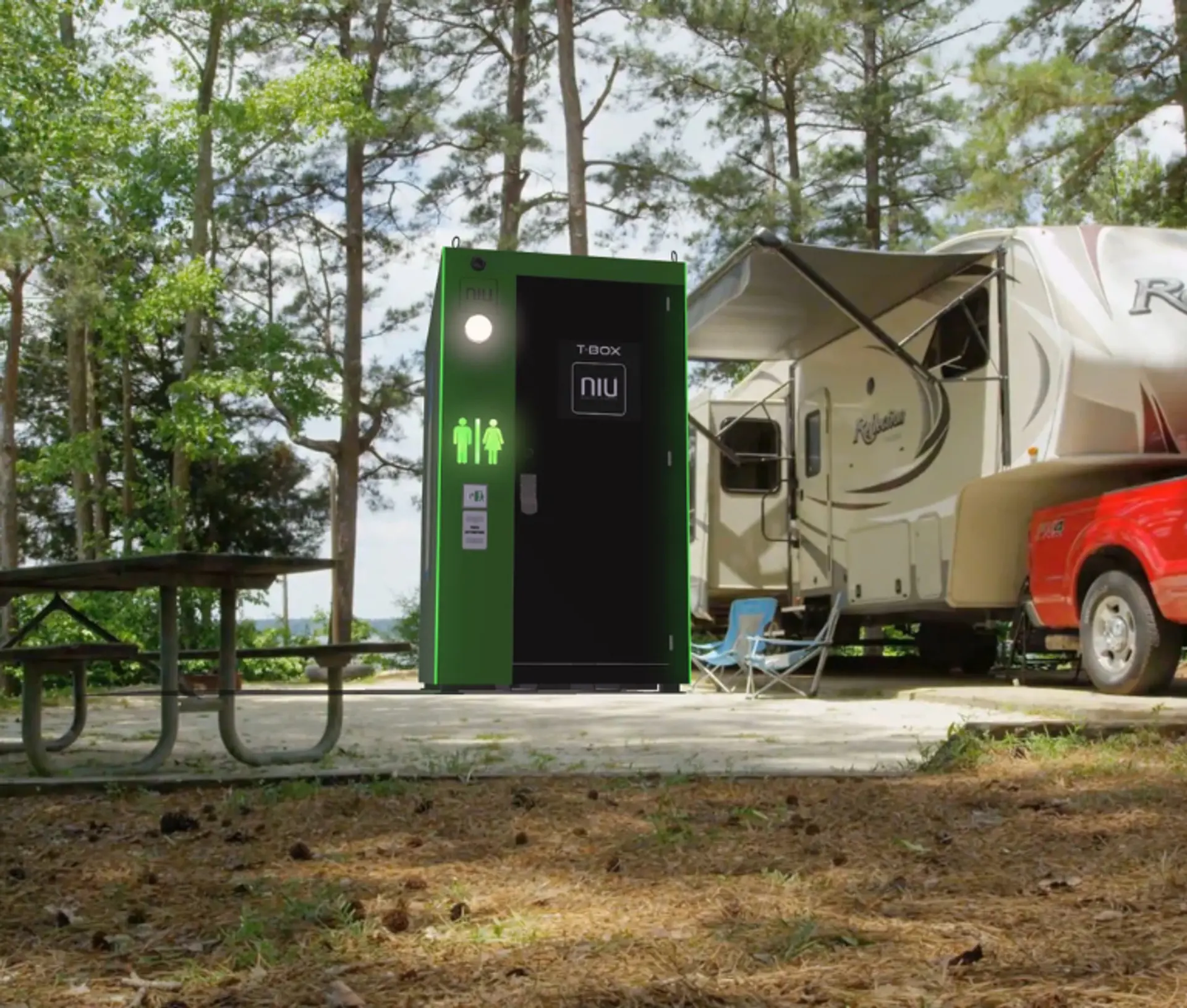
For public sector buyers, Westplay supports purchasing through CANOU and Sourcewell procurement.
Do you want to learn more about Smart Washrooms?
Planning guides
How to plan, budget and specify a project, written for the people who have to.
Playground Project Starter Guide
The fastest way to gain clarity on your playground project and avoid expensive redesigns later. Sent straight to your inbox.