
Surfacing Guide for Daycares
If you’re a private daycare owner/director in Canada, surfacing is one of the biggest decisions you’ll make for your outdoor play area. It affects safety, daily cleanup, how the yard looks to parents, and how much staff time you’ll spend maintaining it.
This guide compares the most common options so you can choose the best playground surfacing for your daycare based on your space, your operations, and your budget.
The 5 daycare questions that decide “best surfacing”
Before you pick a material, answer the following questions:
- Age group + fall heights: mostly toddlers, preschool, or mixed?
- Staff time: who maintains the yard daily/weekly?
- Mess tolerance: Are you okay with loose material tracking indoors?
- Drainage: does your yard hold water or stay damp?
- Budget + lifecycle: do you want the lowest upfront cost or the lowest long-term headache?
If you’re not sure, start with staff time. In daycares, operations usually win.
Option 1: Poured-in-Place Rubber (PIP)
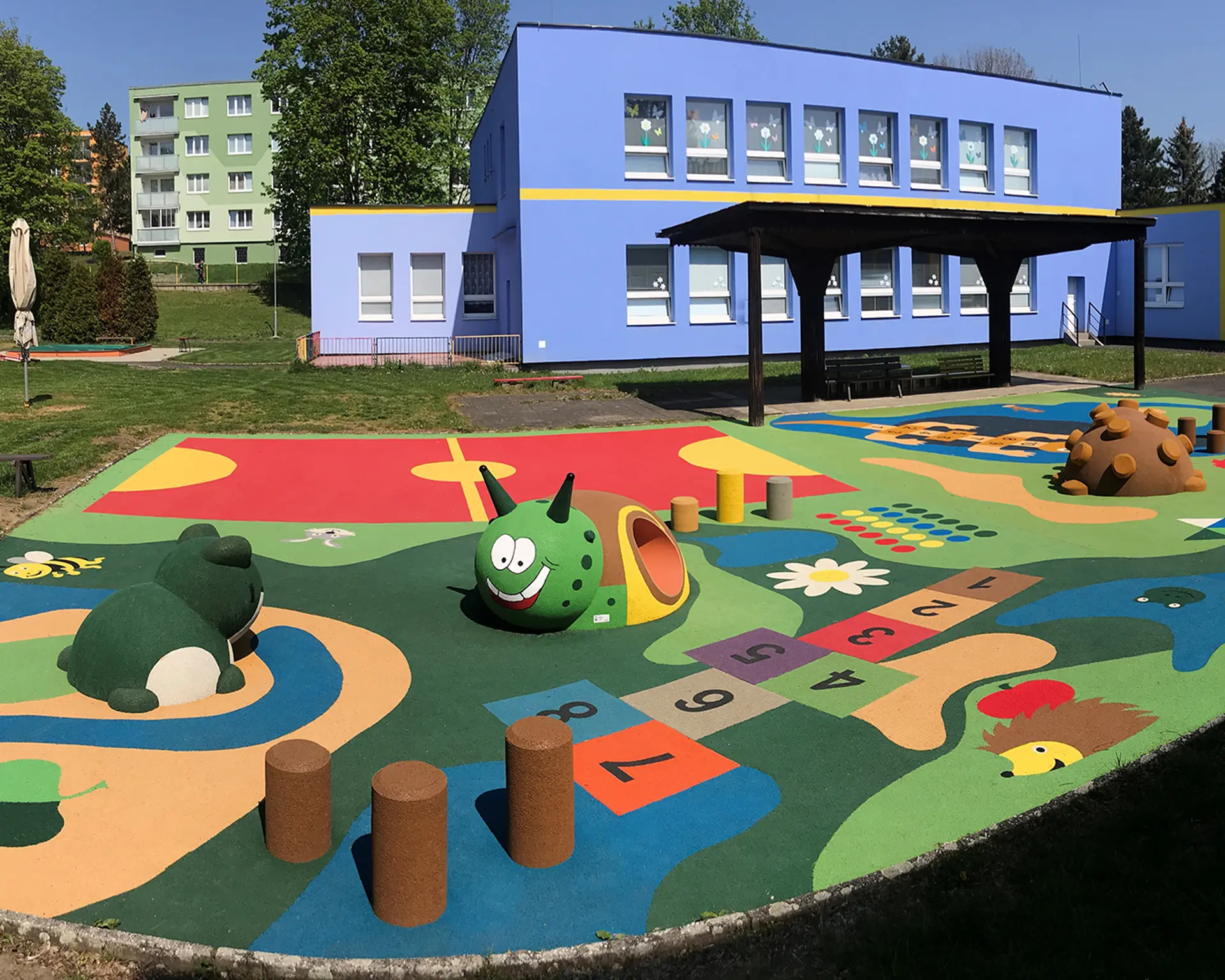
PIP is best for daycares that want a clean, professional look and less daily maintenance.
Pros (daycare reality)
- Smooth, consistent surface (easy to walk on, stroller-friendly)
- Easier cleanup (less raking, less topping up)
- Looks premium to parents (big “wow factor”)
- Great for clear pathways and inclusive access
Cons
- Higher upfront cost than loose-fill
- Needs proper base + drainage planning
- Repairs are possible, but you want it installed right the first time
Good fit if you say, “We want something that stays tidy and doesn’t steal staff time.”
Option 2: Engineered Wood Fibre (EWF)
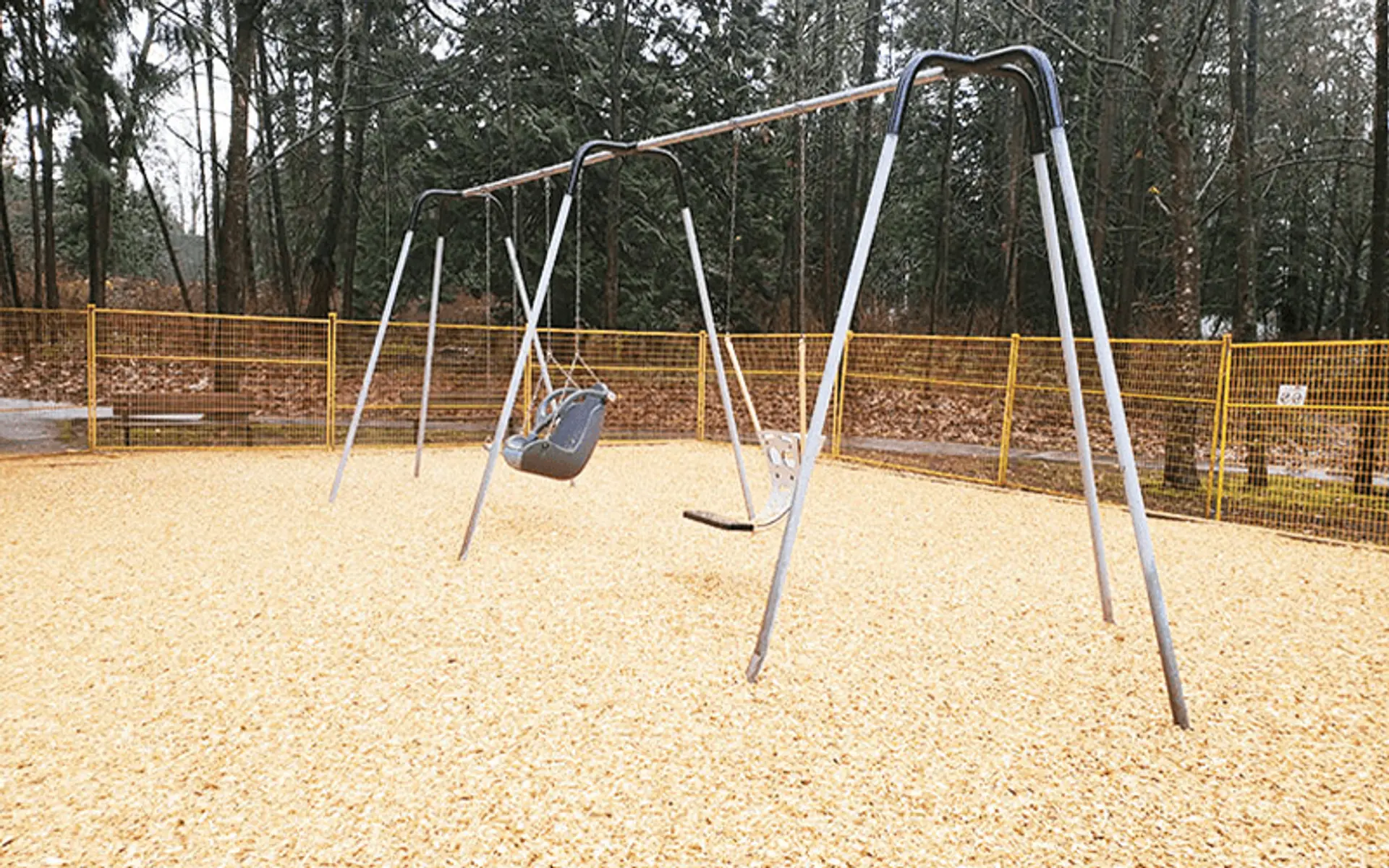
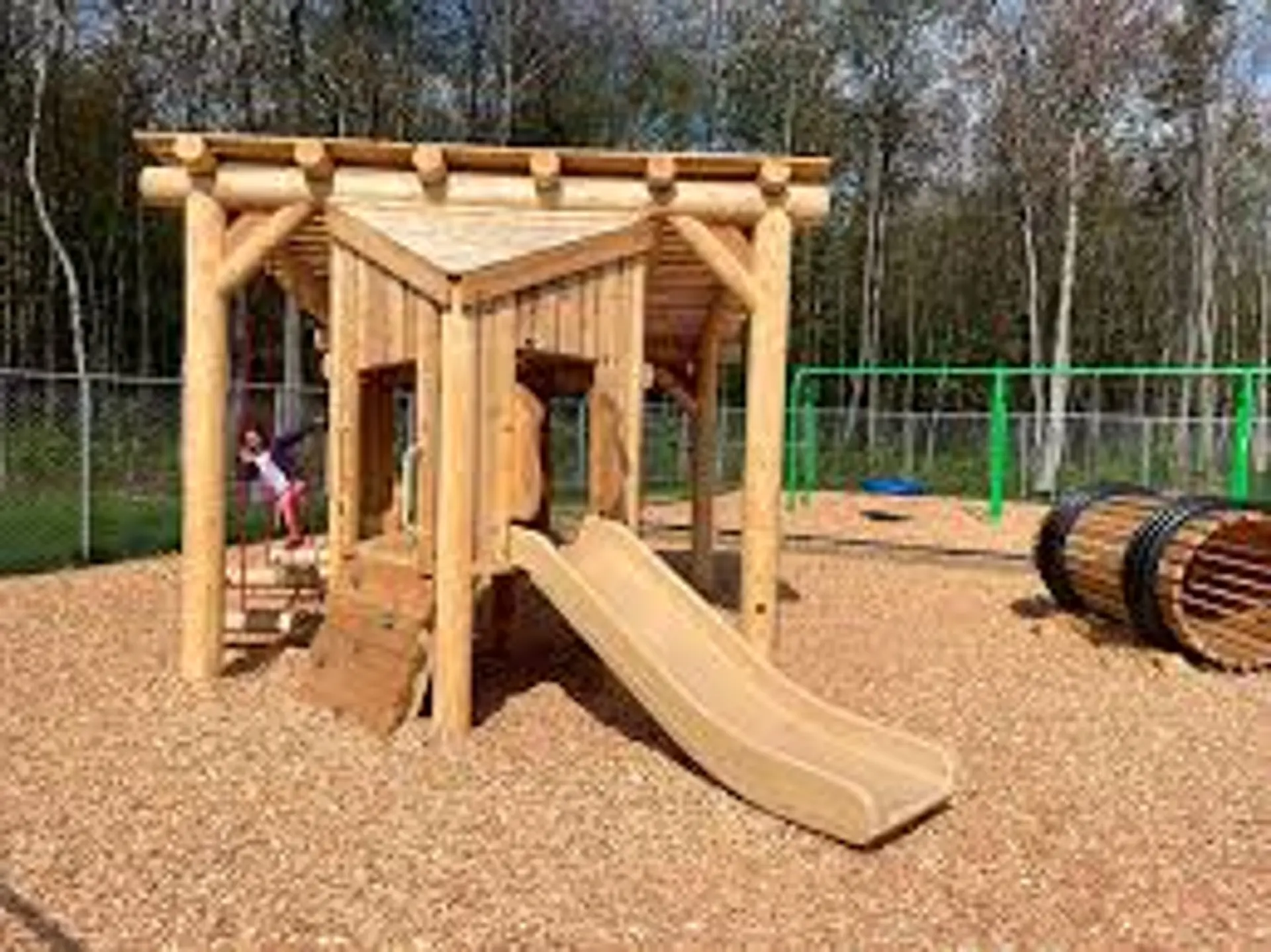
EWF is best for daycares that want a natural look, have a lower upfront cost, and can commit to routine upkeep.
Pros
- Often, a lower upfront cost
- Natural aesthetic (pairs well with wood/nature play)
- Can work well when maintained properly
Cons (important for daycares)
- Requires ongoing maintenance (raking/leveling/topping up)
- Can migrate to edges and thin out in high-traffic zones
- Can track indoors (more cleanup at entrances)
- Drainage and dampness can be a challenge, depending on site conditions
Good fit if you say, “We have staff time to maintain it, and we like the natural look.”
Option 3: Rubber Tiles
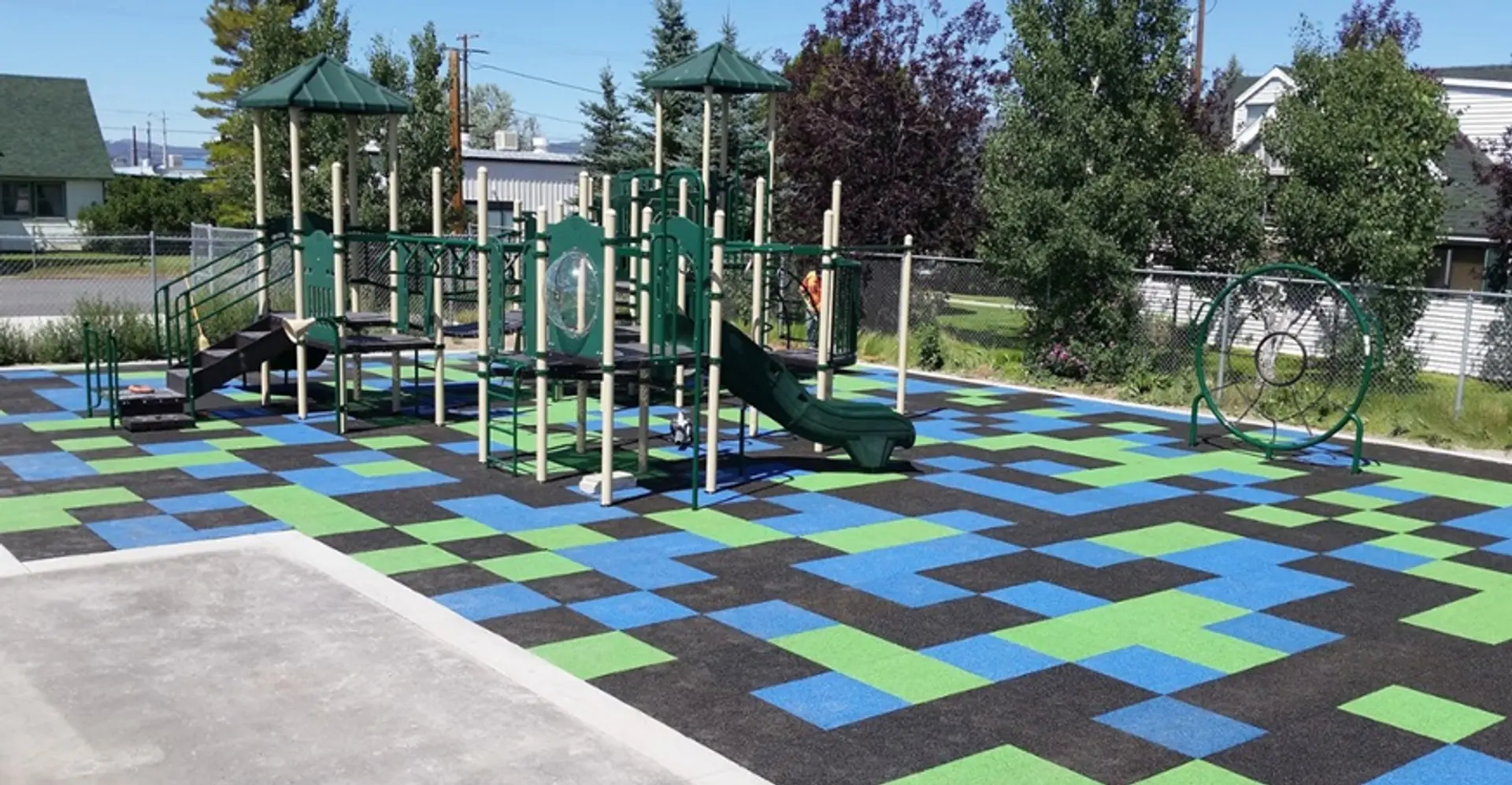
This option is best for smaller areas, specific zones, or daycares that want a rubber surface but may be phasing upgrades.
Pros
- Fast to install in some scenarios
- Can be replaced tile-by-tile if damaged
- Good traction and consistent feel
Cons
- Seams can be a consideration (depending on product + install quality)
- Sub-base prep still matters a lot
- Not always the best choice for every layout (works great in the right application)
Good fit if you say, “We want rubber benefits, and we’re doing the installation in phases or smaller zones.”
Option 4: Artificial Grass (Playground Turf Systems)
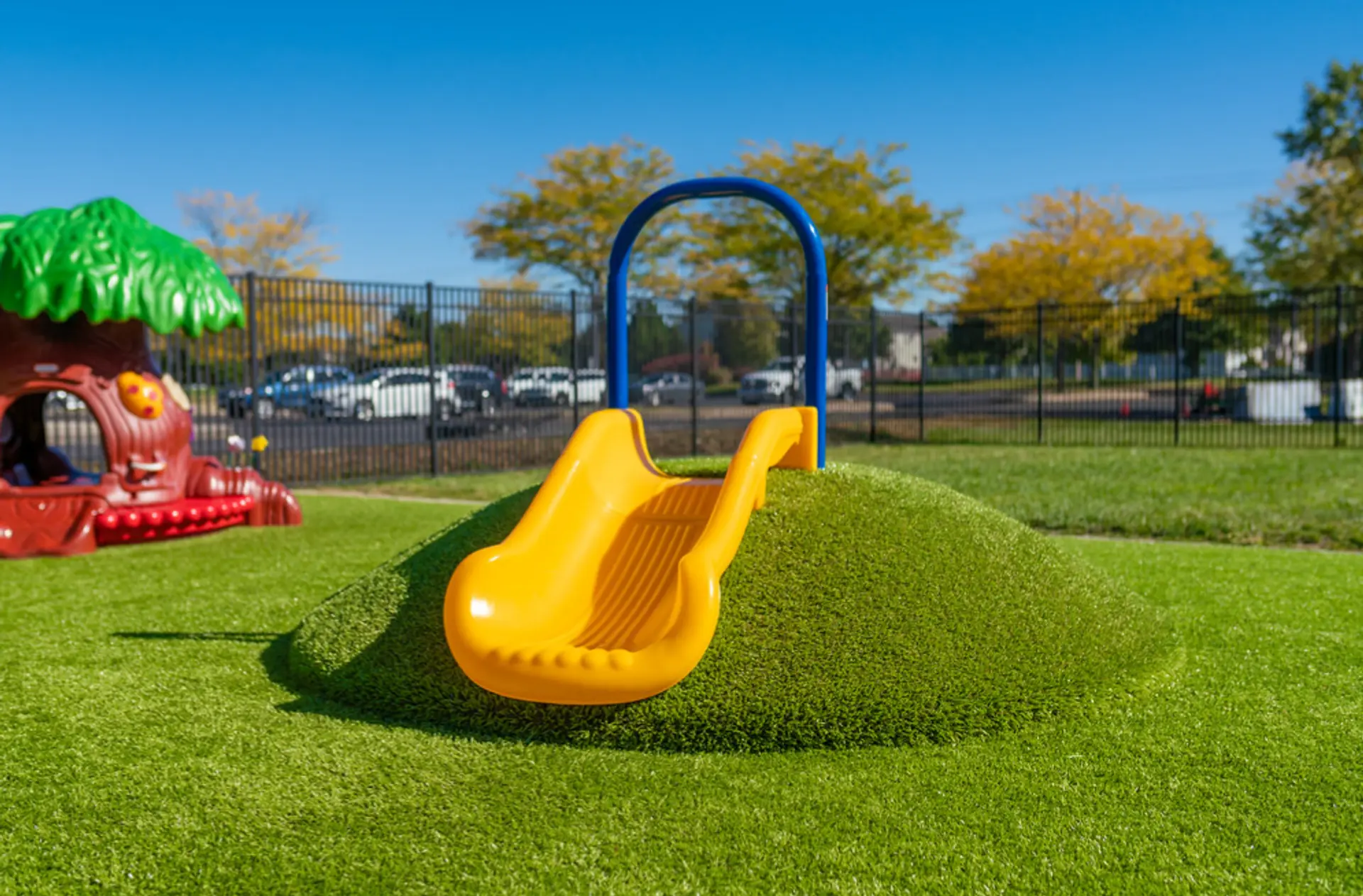
Best for daycares that want a green look year-round and a softer aesthetic—when paired with the right shock pad system for fall protection.
Pros
- Looks great and stays green
- Less mud, cleaner look overall
- Can create a “park-like” feel in a compact yard
Cons (what to clarify)
- Needs a correct underlayment/shock pad to meet fall protection needs
- Infill/maintenance depends on the system (you still need a plan)
- Drainage and base prep are critical in wet seasons
Good fit if you say, “We want a clean, green yard and we’re willing to do it properly with the right system.”
The “best” daycare choice (what we see most often)
For many private daycares, the best surfacing is the one that:
- keeps the yard looking good with minimal staff time
- supports inclusive access and easy supervision
- reduces the chance of thin spots and trip hazards over time
That’s why many daycares lean toward unitary surfaces (like poured-in-place rubber) when budget allows—especially in high-traffic areas and toddler zones.
A smart compromise if the budget is tight:
- Use a premium surface in the highest-use zones
- Phase the rest over time
Don’t skip this: match surfacing to your layout + shade plan
Surfacing and shade work together:
- Shade reduces hot surface issues and extends usable hours
- Surfacing choices affect where you place high-activity zones
- Drainage planning affects everything in Western Canada climates
What to send to get a surfacing quote that’s actually accurate
To price surfacing properly, send:
- Photos + measurements of the area
- Age group + approximate equipment heights (or what you’re planning)
- Drainage notes (does water pool anywhere?)
- Your priority: lowest upfront cost vs lowest maintenance
Planning guides
How to plan, budget and specify a project, written for the people who have to.
Playground Project Starter Guide
The fastest way to gain clarity on your playground project and avoid expensive redesigns later. Sent straight to your inbox.