
Shade Planning: Why It’s Not a Later Add-On
Shade is one of the most common late additions to playground projects, and it is also why a playground project ends up with:
- A layout that needs redesign
- Extra cost that wasnt planned
- A playground that feels too hot in summer
Why you should plan shade early
Shade is not just a nice-to-have. It affects:
- Where the equipment gets placed
- Where seating should go (for supervision)
- Surfacing decisions (and comfort underfoot)
- Footings and underground conflicts (utilities, drainage, irrigation)
- Budget and approvals
When shade is planned late, it can force changes to a layout that was already approved.
The five steps for shade planning you should consider
Step 1: Decide what you are shading
Start by choosing your priority zones. Here are the most common shade priorities:
- Toddler area
- Seating/caregiver area
- High-use equipment (slides, climbers)
- Inclusive / ground-level play area
- Gathering space (school/daycare staging)
- Entire play zone (partial coverage)
Step 2: Choose your shade approach
There are a few common ways to add shade. Each has different planning needs.
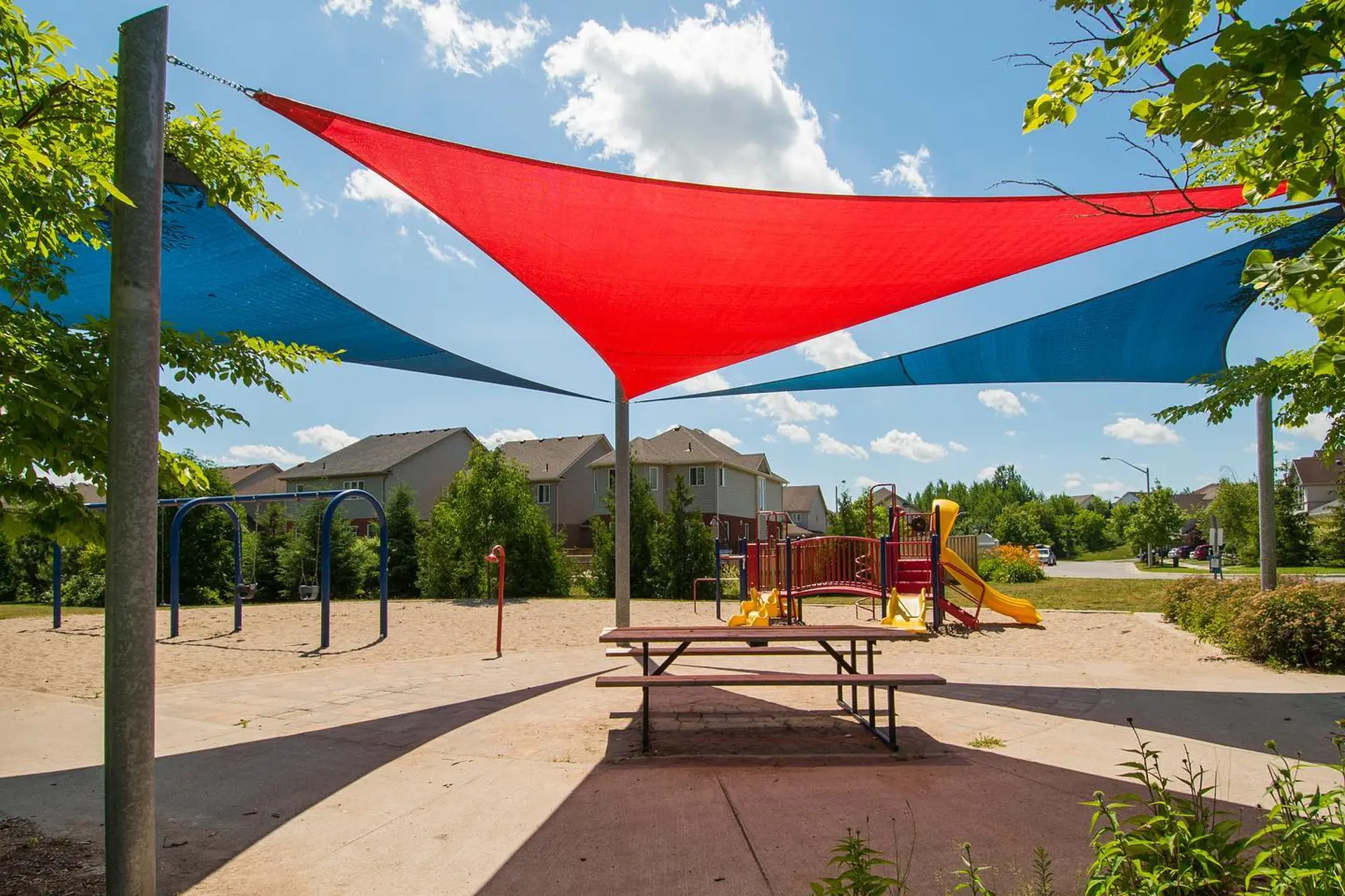
Shade sails
Good for:
- Flexible coverage
- A clean, modern look
- Targeted shade over specific zones
Plan for:
- Post locations and footings
- Clearances around play equipment
- Wind exposure and orientation
Shade structures/canopies
Good for:
- Strong, durable coverage
- High-traffic sites (schools, busy parks)
- Long-term comfort and supervision areas
Plan for:
- Footings and underground conflicts
- Placement that doesn’t block sightlines
Trees/landscape shade (long-term)
Good for:
- Natural aesthetic
- Long-term site comfort
Plan for:
- Time (trees take years to provide meaningful shade)
- Root zones and maintenance
Step 3: Place shade where it helps supervision (not where it looks nice)
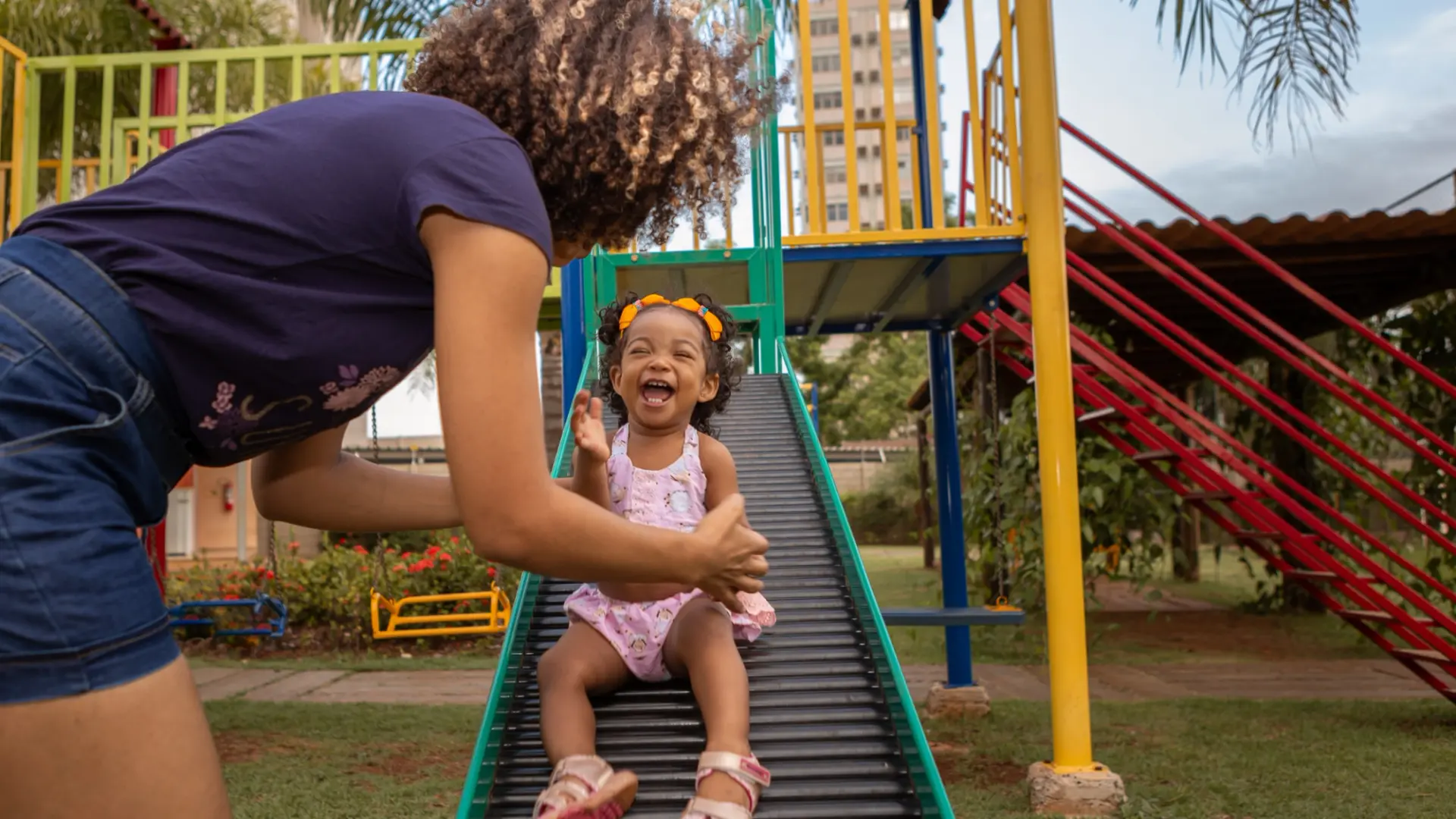
Here is a practical rule: Shade the places adults stand or sit to supervise.
That usually means:
- Seating near toddler zones
- Seating with sightlines to slides/climbers
- Gathering areas for schools/daycares
If caregivers are comfortable, the playground gets used more.
Step 4: Think about the sun angle and orientation
You don’t need to be an expert to make better decisions.
Ask yourself the following questions:
- Where does the afternoon sun hit hardest?
- Which play areas get the most use?
- Are there existing buildings/trees creating shade patterns?
A few photos of the site at different times of day can help.
Step 5: Budget for shade early
Shade is often removed during value engineering because it wasn’t budgeted for.
If shade is important to your site (and it is for most sites), include it in the early budget range.
Four common shade planning mistakes
Mistake 1: Adding shade after the layout is finalized
Fix: Decide shade zones before final design approval.
Mistake 2: Shading the wrong areas
Fix: Shade toddler zones and supervision seating first.
Mistake 3: Forgetting posts and footings
Fix: Plan post locations early to avoid conflicts with equipment, surfacing, and utilities.
Mistake 4: Blocking sightlines
Fix: Place a shade so caregivers can still supervise high-use areas.
Quick worksheet (copy/paste)
Use this before requesting a quote:
- Site type: park / school / daycare / church / developer / other
- Priority shade zones
- Preferred shade type: sails / structure / trees / not sure
- Supervision seating location(s):
- Known constraints (utilities, irrigation, drainage, tight access):
Want help planning shade early (before design gets locked)? Contact us by filling out the form below
Planning guides
How to plan, budget and specify a project, written for the people who have to.
Playground Project Starter Guide
The fastest way to gain clarity on your playground project and avoid expensive redesigns later. Sent straight to your inbox.