
Dog Park vs Off-Leash Area: What’s the Difference? (And What Gets Approved Faster)
Table of Contents
- Quick definition
- Why the difference matters
- What gets approved faster?
- Which one should you choose? (simple decision guide)
- Common mistakes to avoid
Quick definition
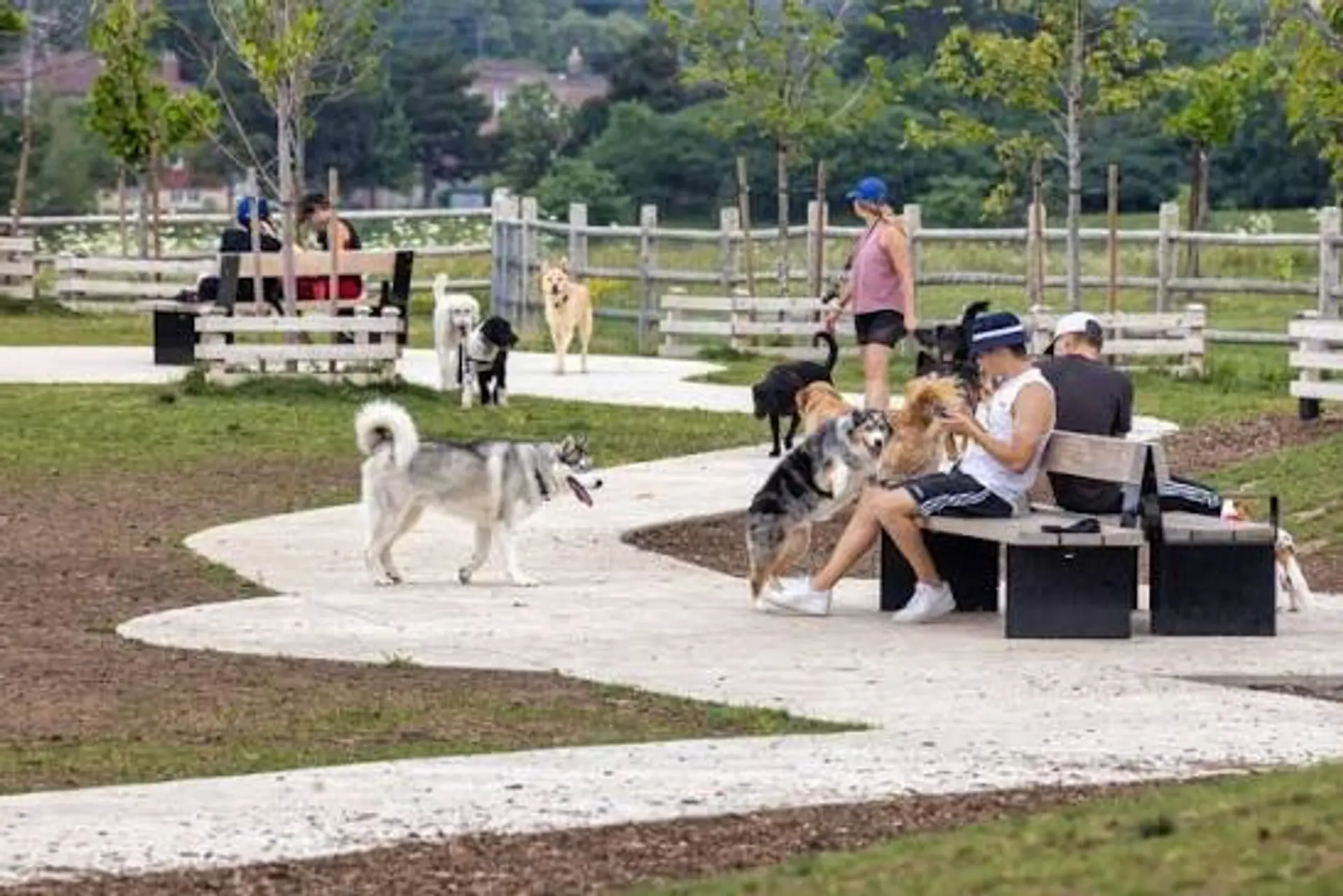
Off-leash area: A designated space where dogs can be off-leash (often with minimal infrastructure). Dog park (bark park): A purpose-built off-leash space with fencing, gates, surfacing strategy, rules/signage, and amenities.
Why the difference matters
If you call something a “dog park,” people expect:
- secure fencing and safe gates
- clear rules and signage
- waste stations and bins
- a surfacing plan that won’t become mud
- seating/shade and basic comfort
An off-leash area can be simpler—but it can also create more conflict if it’s not designed for flow, visibility, and maintenance.
What gets approved faster?
It depends on your site and neighbours, but approvals often move faster when:
- The scope is clear and “right-sized”
- The maintenance owner is identified
- Drainage and surfacing are addressed early
- Community engagement is done before complaints start
In some cases, a phased approach is the fastest path:
- Start as a managed off-leash area (rules + waste + basic improvements)
- Upgrade to a fully fenced dog park once usage is proven and the budget is secured
Which one should you choose? (simple decision guide)
Choose an off-leash area if:
- The site is large and naturally contained
- Use is moderate
- You can manage conflict with signage and visibility
Choose a dog park if:
- You need fencing to protect nearby uses (roads, playgrounds, sports fields)
- You expect high use
- You want predictable operations and fewer complaints
Common mistakes to avoid
Building a “dog park” without:
- a drainage plan
- a surfacing strategy for high-wear zones (entries/corners)
- an assigned maintenance owner
That’s how you get mud, odour, and complaints.
Not sure which option fits your site? Email info@westplay.ca with your city, a pin/address, and 3–5 photos—we’ll help you choose the right path.
Planning guides
How to plan, budget and specify a project, written for the people who have to.
Playground Project Starter Guide
The fastest way to gain clarity on your playground project and avoid expensive redesigns later. Sent straight to your inbox.